Design-Build

One coordinated path from first idea to finished structure.

Our design-build approach reduces friction between concept, cost, permits, procurement, and construction so the project vision remains clear all the way to handover.

Start a Conversation
Design-build planning and construction

Many projects lose time because design, costing, engineering, procurement, and construction are treated as separate conversations. Design-build brings those decisions together. Instead of waiting until late stages to discover whether a detail is buildable or affordable, the project is shaped with construction knowledge from the beginning.

S. Anna Developments coordinates the route from early brief and site review through design development, authority requirements, engineering input, material selection, construction sequencing, and final handover. This gives clients one integrated delivery framework and a clearer understanding of how each decision affects the finished building.

The process begins with the brief. We define the intended use, budget range, programme, site conditions, design ambitions, planning constraints, and operational requirements. This early clarity prevents the project from drifting and gives designers, engineers, and suppliers a practical target.

As the design develops, we review buildability, structure, waterproofing, mechanical and electrical routes, façade logic, access, external works, and maintenance implications. These reviews are not intended to limit ambition; they protect the project so the final design can be delivered properly.

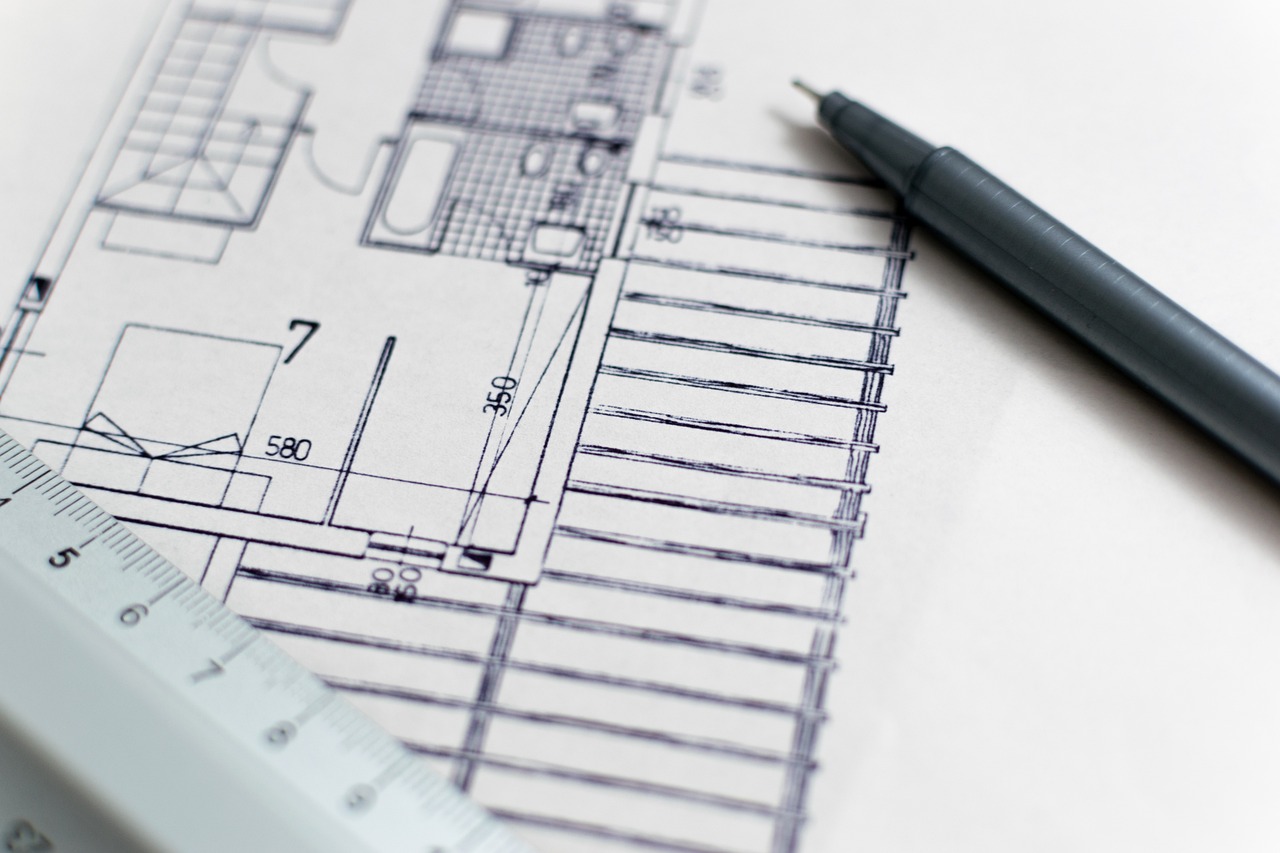
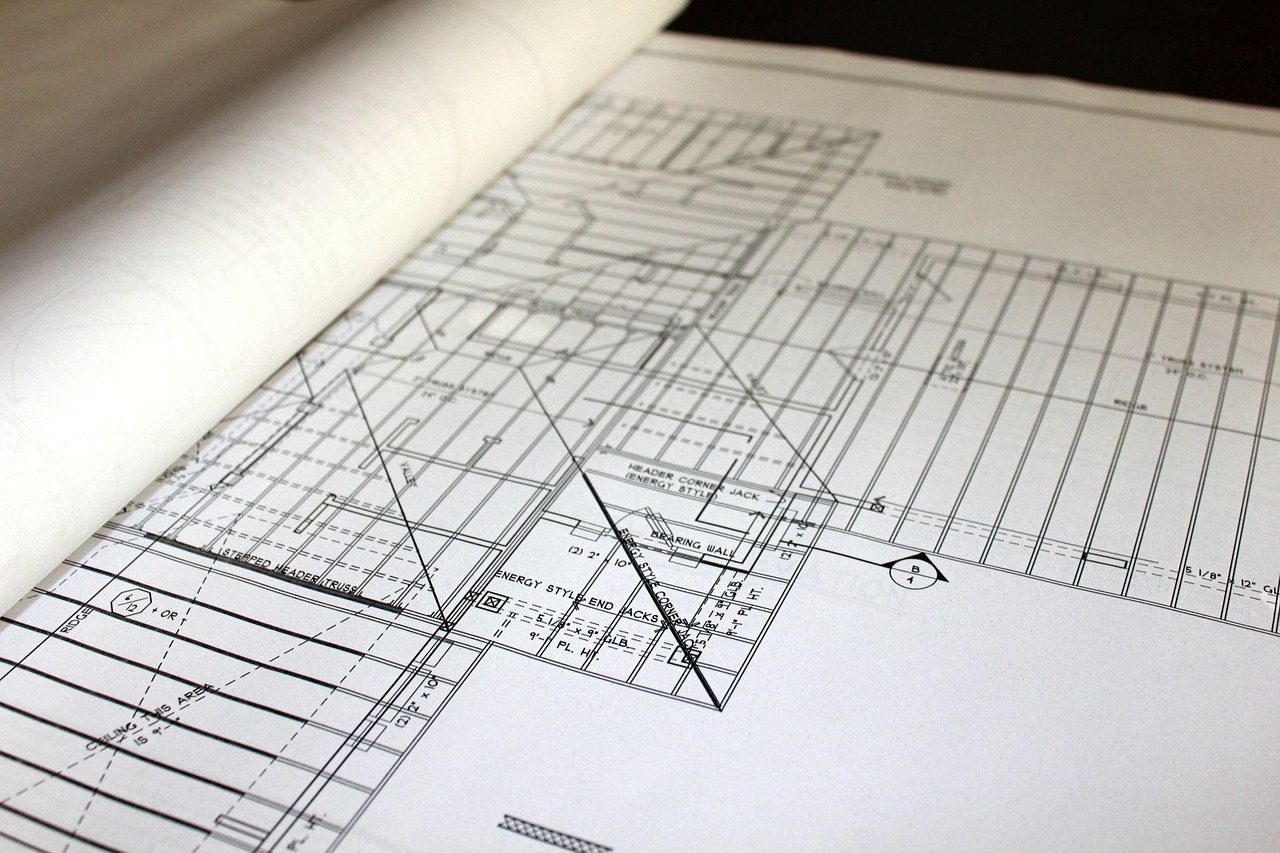
Architectural design planningConstruction drawings and site planning

Cost control is strongest when it begins early. We help compare material choices, structural approaches, finish levels, and construction methods before the project is locked. That allows clients to invest where it matters most and avoid late-stage redesign caused by unrealistic assumptions.

Design-build is particularly useful for clients who want accountability. With one coordinated delivery route, there is less room for blame between separate parties and more focus on solving issues quickly. Questions are directed through a managed process rather than scattered across disconnected teams.

During construction, the design intent remains active. Details are clarified, samples are reviewed, supplier information is coordinated, and site conditions are fed back into decision-making. The goal is to preserve the character of the design while maintaining quality, safety, and progress on site.

For homeowners, investors, and developers, this approach can reduce stress and make the project easier to understand. You do not need to become the project manager; you need clear information, reliable recommendations, and a team that knows how to move from concept to completion.

The outcome is a more coherent build: design decisions grounded in construction experience, construction decisions guided by design intent, and a completed property that reflects the original vision without unnecessary friction.

Typical Scope

Brief development, site review, design coordination, engineering input, cost planning, permit support, specification, procurement, construction, finishes, and handover.

Advantages

Earlier cost clarity, improved buildability, faster decisions, reduced coordination gaps, accountable delivery, and a smoother relationship between design ambition and site reality.

Best For

Clients who want one managed route for villas, homes, commercial premises, renovations, or development projects where design and delivery must stay aligned.

Integrated Delivery

Want a simpler route from concept to construction?

Tell us what you want to build and how far the idea has developed. We will help define the next stage.

Start a Conversation